The cultural significance of gambling in Pinup history
The Origins of Gambling in Pinup Culture
The intertwining of gambling and pinup culture can be traced back to the early 20th century, where the allure of casinos and card games became prominent in American entertainment. Pinup art flourished during this time, showcasing glamorous models and actresses who exuded charm and confidence. This art form capitalized on the burgeoning casino culture, reflecting society’s fascination with luck and fortune. The glamorous depictions of pinup girls often paralleled the thrill of placing a bet, creating an enticing visual narrative that resonated with the public.
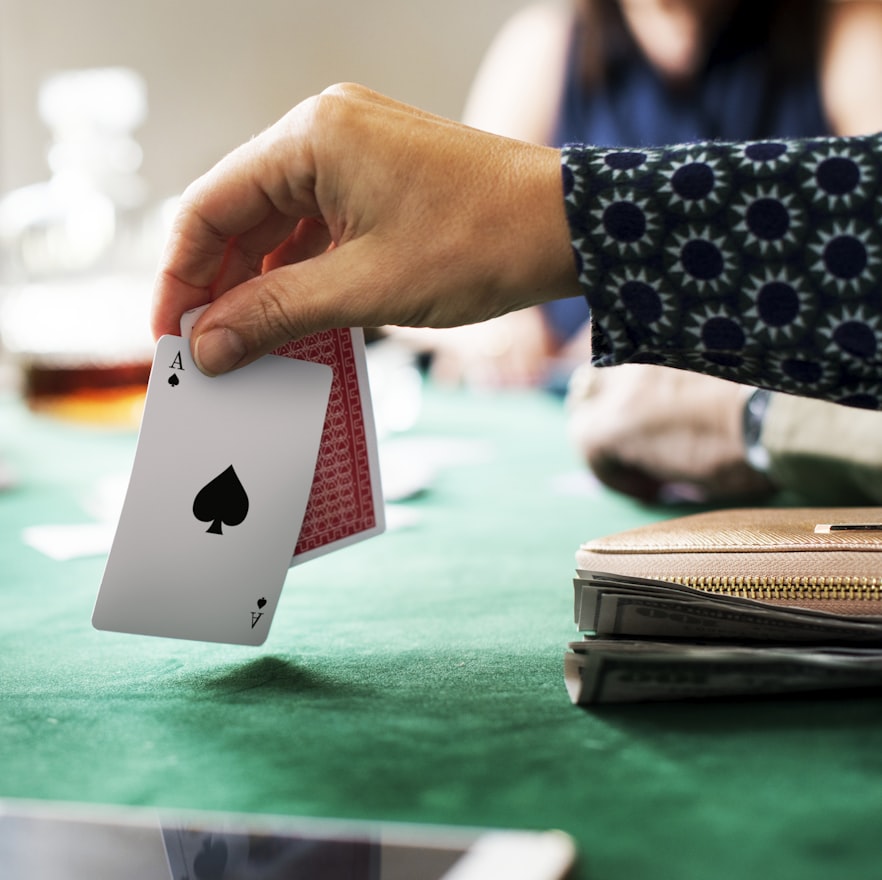
As pinup art became mainstream, it evolved into a symbol of rebellion and allure, mirroring the escapism that gambling provided. With the rise of Las Vegas as a gambling mecca in the 1950s, pinup imagery was heavily featured in casino advertising, creating a synergy between the two. This collaboration helped to romanticize the gambling experience, embedding it within the cultural zeitgeist as a thrilling escape from everyday life. It transformed gambling from mere chance to a celebration of beauty and glamour. https://pinupbet.ng/tennis-betting/
Throughout the decades, pinup art continued to evolve, but its connection to gambling remained steadfast. The bold and adventurous spirit of pinup icons resonated with the thrill-seeking nature of gamblers. As pinup models graced magazine covers and promotional materials, they contributed to the mystique surrounding casinos, establishing a lasting cultural significance that extends beyond their visual appeal. This intersection of art and gambling has influenced not just fashion and aesthetics but has also shaped perceptions of risk and reward in the broader cultural context.
The Role of Women in Gambling and Pinup History
Women have played a critical role in both the evolution of pinup art and the gambling industry. Iconic pinup figures like Bettie Page and Marilyn Monroe not only epitomized beauty but also symbolized freedom and empowerment during their time. Their images were often associated with casinos, furthering the narrative that gambling was an inclusive space for women. This participation helped dismantle traditional gender roles, allowing women to engage in activities that were historically dominated by men.
The presence of female gamblers was radical for its time and mirrored the empowerment represented in pinup art. Women in casinos often carried an air of sophistication and audacity, aligning perfectly with the pinup ethos of bold self-expression. Their acceptance in gambling spaces contributed to changing societal norms, making it easier for future generations of women to partake in these activities without stigma or reservation.
Furthermore, pinup culture also included representations of women who understood the stakes involved in gambling. These images often depicted women as savvy players who navigated the complexities of the casino with ease. Such portrayals challenged stereotypes and invited a broader audience to engage with both gambling and pinup art, paving the way for a more inclusive portrayal of women in popular culture. This evolving narrative has left a lasting impact on how women perceive themselves within both the gambling and entertainment industries.
The Aesthetic Appeal of Gambling in Pinup Art
The visual elements of pinup art have greatly contributed to its cultural significance, especially in relation to gambling. The vibrant colors, striking poses, and elaborate backdrops often found in pinup illustrations capture the excitement and thrill associated with casinos. These artistic choices play into the fantasy of gambling, evoking emotions of desire, risk, and exhilaration. The aesthetics of pinup art provide a tantalizing glimpse into a world where beauty and chance coexist harmoniously.
Moreover, the symbolic nature of gambling—often represented through cards, dice, and chips—adds an extra layer of meaning to pinup artworks. The inclusion of these elements not only serves as a visual hook but also enhances the narrative, allowing viewers to interpret the art in multiple ways. Each piece can be seen as a commentary on luck, beauty, and the unpredictability of life, thereby enriching the cultural tapestry surrounding both pinup art and gambling.
The impact of this aesthetic has been profound, influencing fashion trends, advertising campaigns, and even social gatherings. The allure of pinup art, with its subtle nods to gambling, often sparked interest in casino activities, making it a staple in promotional materials. As a result, the aesthetic appeal of pinup art has helped cultivate a vibrant subculture that celebrates both beauty and the thrill of chance, creating an intertwined legacy that continues to captivate audiences today.
The Evolution of Gambling Representation in Popular Media
As pinup art transitioned into popular media, gambling continued to be a prevalent theme. Films and television shows from the mid-20th century often featured glamorous characters engaged in high-stakes gambling, reinforcing the pinup aesthetic. The representation of casinos and gambling settings became synonymous with opulence and excitement, echoing the imagery found in pinup art. This interplay between gambling and visual media helped to solidify their roles within popular culture.
The portrayal of gambling in films often included pinup-style characters who embodied both charm and danger. These representations created narratives that emphasized the thrill of risk and the allure of the unknown, capturing the essence of both pinup culture and the gambling experience. The cultural significance of this synergy lies in how it has shaped public perceptions of gambling, blending excitement with beauty, and reinforcing the idea that gambling is as much about the experience as it is about winning.
As media continues to evolve, so does the representation of gambling and pinup culture. Modern films and series often revisit these themes, exploring their intersections in new ways. This ongoing relationship allows for a continuous dialogue about the societal implications of gambling, beauty, and risk-taking, proving that the cultural significance of these elements is both dynamic and enduring, reflecting changing attitudes and new forms of expression.
Pinup Betting: The Future of Gambling Culture
The rise of online gambling platforms, such as Pinup, has ushered in a new era for the cultural significance of gambling. By leveraging modern technology, these platforms combine the thrill of traditional betting with the glamour of pinup aesthetics. With a focus on user experience and community, online gambling is embracing a culture that celebrates both risk-taking and the beauty of engaging content, drawing from the rich history of pinup art.
The connection between pinup culture and online gambling is further enhanced by promotional strategies that incorporate pinup themes into branding and marketing. This creates an inviting atmosphere that attracts a younger audience while honoring the legacy of pinup art. As online platforms evolve, they continue to integrate elements that resonate with the spirit of gambling and the imagery associated with pinup culture, ensuring a fresh and exciting experience.
In summary, the future of gambling culture, particularly through platforms like Pinup, is being shaped by a blend of traditional aesthetics and modern technology. By celebrating the iconic allure of pinup art, online gambling is carving out a niche that honors its historical roots while looking towards innovative and engaging ways to connect with users. This synergy not only enriches the gambling experience but also keeps the cultural significance of pinup art alive in contemporary society.