Exploring the relationship between gambling and addiction
Understanding Gambling
Gambling is a multifaceted phenomenon that captures the imagination of millions worldwide. It often combines excitement, risk, and the allure of financial gain. From the neon lights of Las Vegas to humble home poker games, gambling exists in various forms and cultures. One aspect that makes it particularly appealing is the thrill of uncertainty—the chance to win big is an exhilarating thought that keeps players returning. However, while many enjoy gambling as a form of entertainment, it can also lead to deeper issues for some individuals. Understanding these nuances is crucial for approaching the topic of gambling addiction.
Many individuals navigate gambling without encountering issues, participating in activities such as sports betting, lotteries, or casino games for leisure. However, the tipping point exists when the activity transitions from a casual pursuit to one that consumes a person’s life. This transition is where addiction can take root, and recognizing the signs early can facilitate intervention and support. For those looking for a faster and more transparent gambling experience, exploring options like a fast payout casino can provide positive experiences, but it’s essential to remain aware of the potential risks.
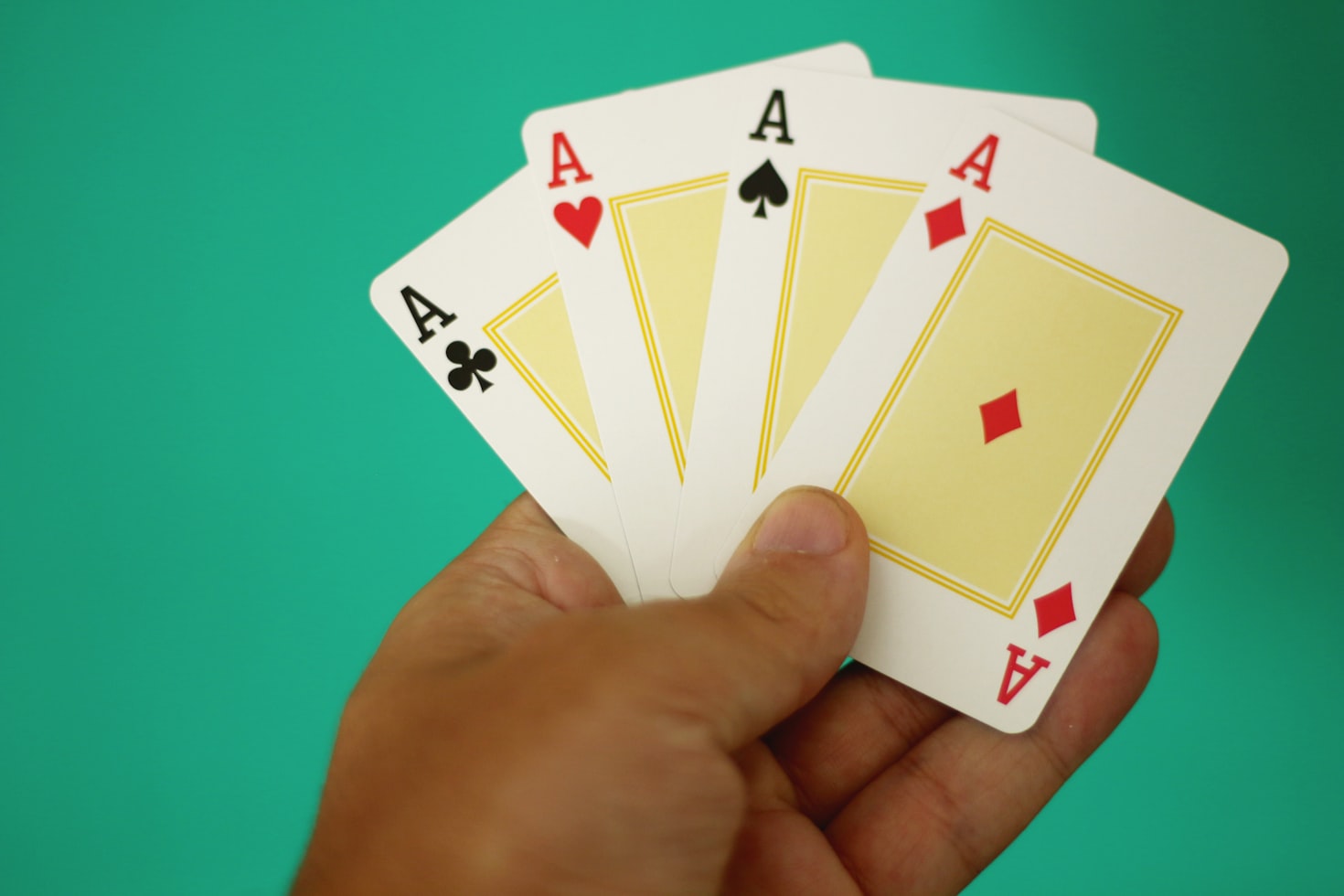
Interestingly, gambling has evolved with the digital age. Online platforms have made games more accessible, allowing individuals to gamble from the comfort of their homes. This accessibility can further blur the lines between recreational use and compulsive behavior, making it more challenging for some to recognize their habits. New technologies, such as mobile applications and live-dealer games, offer a convenient escape but may come with heightened risks, underscoring the importance of responsible gambling.
The Nature of Addiction
Addiction is a complex condition that affects not only the individual but also their family and community. When it comes to gambling, the psychological mechanisms propelling addiction can often mirror those seen in substance abuse. The rush of dopamine released during moments of winning can create a cycle of craving that becomes increasingly difficult to break. As the player seeks to replicate this high, they may escalate their gambling habits, often leading to devastating financial and emotional consequences.
Furthermore, the stigma surrounding addiction can deter individuals from seeking help. Many might feel embarrassed or ashamed by their gambling behavior, making it even harder to seek assistance. Understanding that gambling addiction is a mental health issue can promote empathy and support. It is a gradual descent into a situation where personal finances, relationships, and mental health begin to suffer, all masked by the fleeting excitement that gambling provides. Over time, this can lead to a profound sense of hopelessness, as those affected may feel trapped in a cycle they cannot escape.

Signs of Gambling Addiction
Identifying gambling addiction early can pave the way for timely intervention and recovery. Some common signs include the inability to cut back or stop gambling despite repeated efforts, feeling restless or irritable when attempting to do so, and lying about gambling habits to loved ones. Financial problems often surface, leading to taking out loans or borrowing money to chase losses. It becomes a vicious cycle, with the individual caught between the thrill of chasing wins and the harsh reality of losses building up.
Additionally, gambling can affect emotional well-being. Increased anxiety, depression, and social withdrawal are common among those entrenched in gambling addiction. They may sacrifice social interactions and important obligations to gamble, leading to further isolation. Open conversations about these signs can assist in normalizing seeking help and support for anyone struggling with this addiction. Education about the harmful effects of gambling can empower not only individuals but also families and friends to identify these signs and intervene when necessary.
Pathways to Recovery
Recovery from gambling addiction is entirely achievable, though it often requires commitment, support, and sometimes professional intervention. Various approaches exist, including therapy, support groups, and self-help strategies. Cognitive Behavioral Therapy (CBT) has shown promise in helping individuals identify harmful thought patterns related to gambling and develop healthier coping mechanisms. This approach encourages patients to reframe their thoughts, allowing them to build resilience against the urge to gamble.
Support from family, friends, and community resources can provide a crucial backbone for those seeking to reclaim their lives. Groups like Gamblers Anonymous offer shared experiences and encourage accountability as individuals work to rebuild their lives. Programs often include a cornerstone of ongoing support, helping individuals transition from recovery to leading a balanced life. With the right tools and environment, recovery is not just a possibility; it’s a hopeful reality.
Explore More on Responsible Gambling
If you’re interested in understanding more about the nuances of gambling and how to approach it responsibly, there are abundant resources available. Many educational platforms focus on responsible gambling practices, emphasizing the importance of awareness and self-control. Engaging with communities that prioritize healthy gambling can also help mitigate risks and enhance knowledge. Online forums and local workshops offer valuable insights and support for both gamblers and their families.
Ultimately, while gambling can provide enjoyment and excitement, it’s crucial to recognize the fine line separating healthy engagement from potentially harmful behavior. By exploring available resources and ensuring a supportive environment, individuals can enjoy gambling in moderation, allowing it to remain a form of entertainment without falling into the grips of addiction. Staying informed and proactive in understanding one’s relationship with gambling is essential for enjoying it responsibly, ultimately leading to a healthier approach to this popular leisure activity.