Understanding the Psychological Triggers Behind Gambling Decisions
The Allure of Risk and Reward
Gambling captivates individuals primarily due to its inherent risk and reward dynamics. The thrill of potentially winning a significant sum of money creates a powerful allure that can cloud judgment. This risk-reward relationship taps into fundamental psychological principles, where the excitement of chance can sometimes outweigh the logical assessment of potential loss. For those interested in experiencing this thrill, the Chicken Subway demo offers a taste of the excitement that awaits.

The anticipation before a game or a spin can trigger the release of dopamine, a neurotransmitter associated with pleasure. This surge of excitement can lead individuals to engage in gambling, often overlooking the statistical odds. Understanding this psychological trigger is essential for recognizing why many continue to gamble despite previous losses.
The Role of Cognitive Biases
Cognitive biases significantly influence gambling decisions, often leading to irrational behaviors. One common bias is the illusion of control, where gamblers believe they can influence the outcome of a game through their actions or decisions. This misconception can lead players to engage more frequently, as they feel empowered, even in purely chance-based games.
Another prevalent cognitive bias in gambling is the gambler’s fallacy. This belief suggests that past outcomes influence future results, leading individuals to make decisions based on superstition rather than probability. Such biases can create a cycle of continued play, reinforcing the desire to chase losses in hopes of a favorable outcome.
The Emotional Landscape of Gambling
Emotions play a significant role in gambling behavior. Many individuals gamble to escape from stress, anxiety, or depression, seeking solace in the thrill of gaming. This emotional escape can temporarily relieve negative feelings, prompting individuals to return to gambling as a coping mechanism, despite the potential for harmful consequences.
Moreover, the highs and lows of gambling can lead to intense emotional experiences. Winning can create euphoric feelings, while losses can result in despair or frustration. This emotional rollercoaster can further entrap individuals, causing them to gamble more in pursuit of that elusive high, perpetuating a cycle of gambling behavior.
The Influence of Social Dynamics
The social environment surrounding gambling significantly impacts decisions. Peer influence can encourage individuals to gamble, whether through shared experiences or social pressure. In many cultures, gambling is often a communal activity, enhancing its appeal and leading individuals to partake even if they wouldn’t normally do so alone.
Furthermore, the rise of online gaming communities has created new social dynamics, where individuals can connect and engage with others in gambling activities. This interaction often reinforces gambling behavior, as players share victories and losses, creating a sense of belonging that can overshadow the risks associated with gambling.
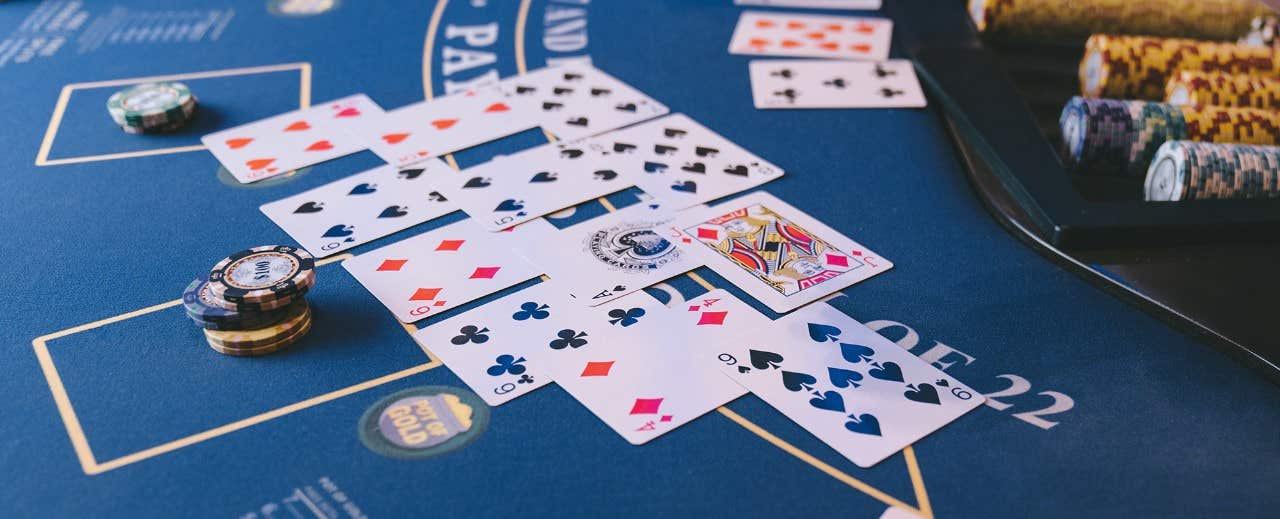
Experience the Excitement at Chicken Subway Casino India
At Chicken Subway Casino India, the thrill of gambling comes alive through a variety of engaging games. Designed to enhance user experience, the platform allows players to explore the excitement of games like Chicken vs Train, blending strategy with fast-paced fun. With easy sign-up and enticing bonuses, players can immerse themselves in a world of gaming.
Moreover, the platform ensures seamless mobile access, allowing enthusiasts to enjoy their favorite games anytime, anywhere. As you navigate through the dynamic landscape of online gaming, understanding the psychological triggers behind your gambling decisions can lead to a more enjoyable and responsible gaming experience. Join us today and discover your potential for big wins!